What are the components of Embedded Computers?
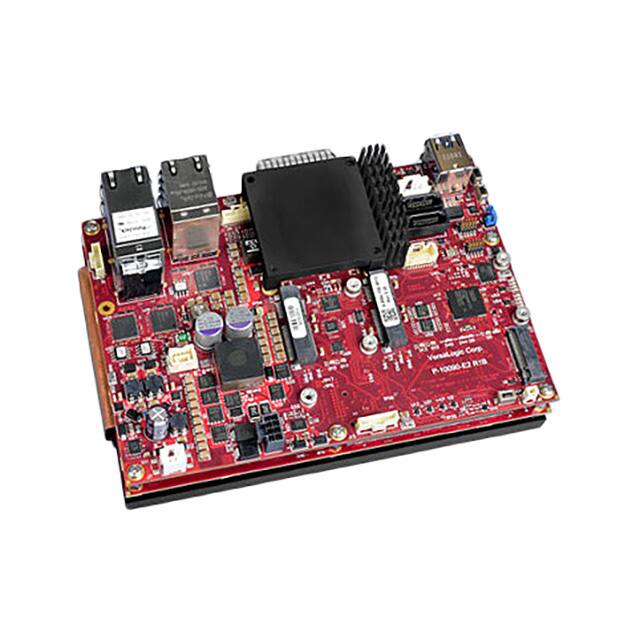
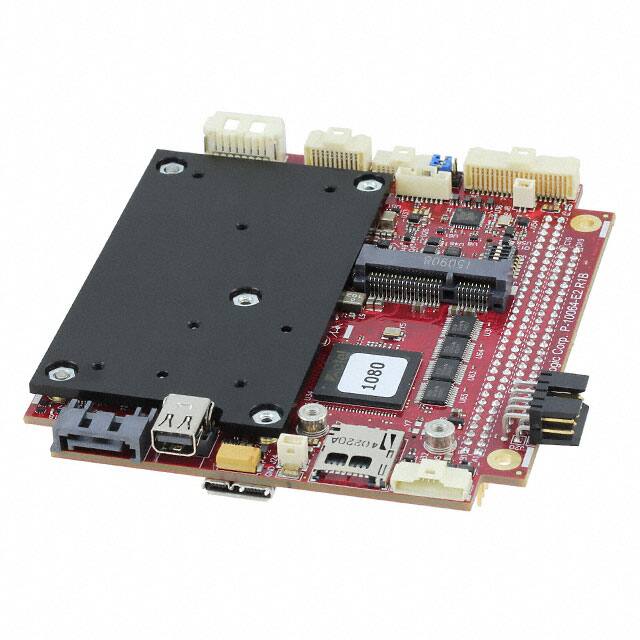
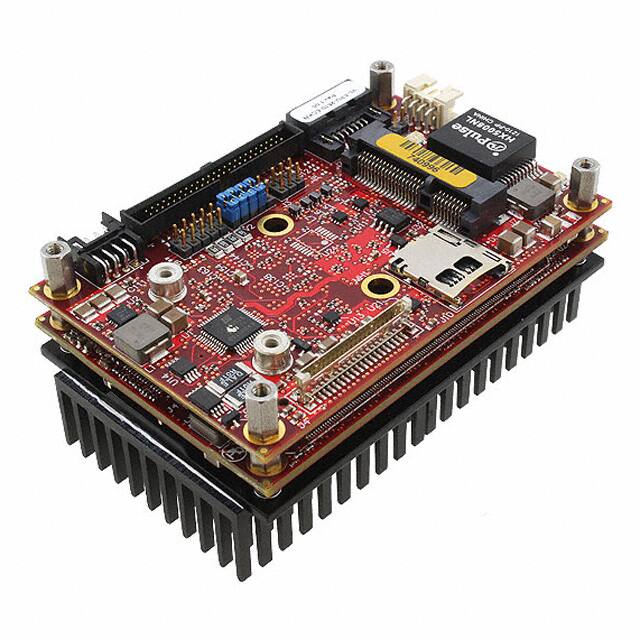
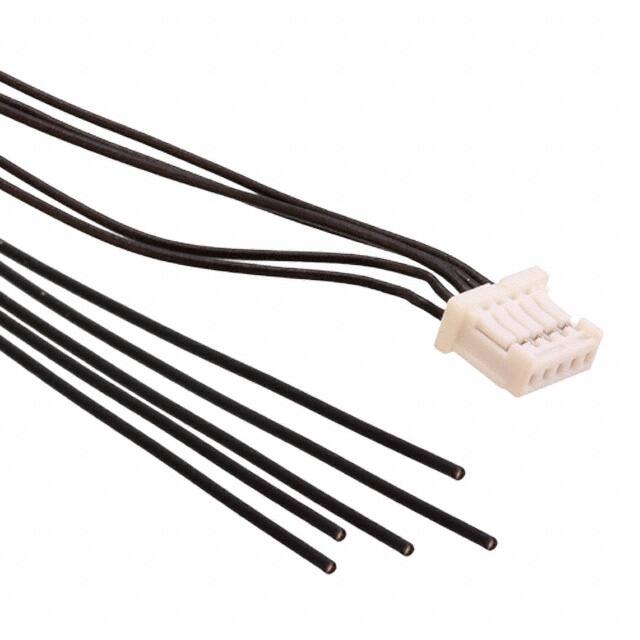
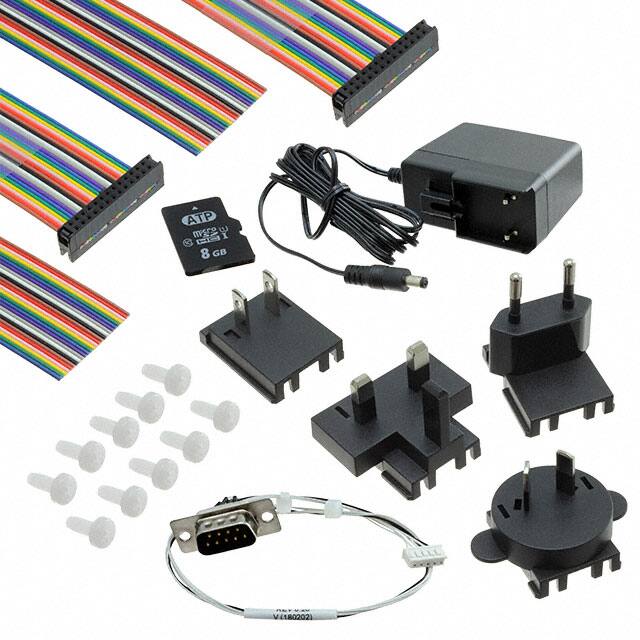
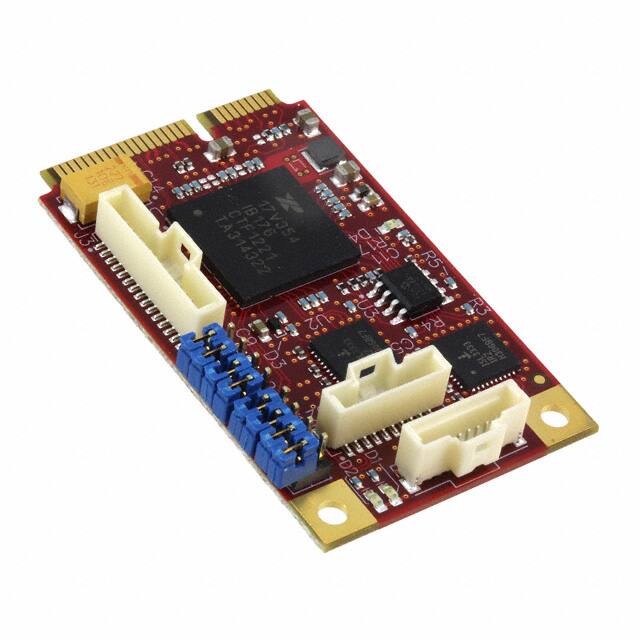
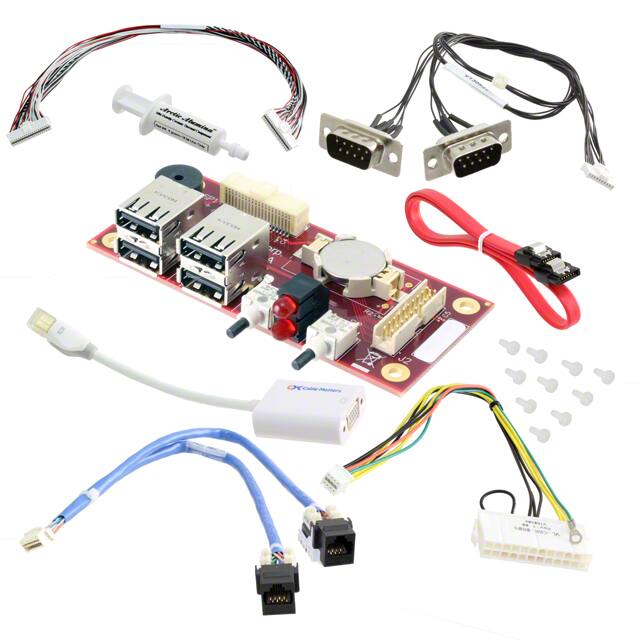
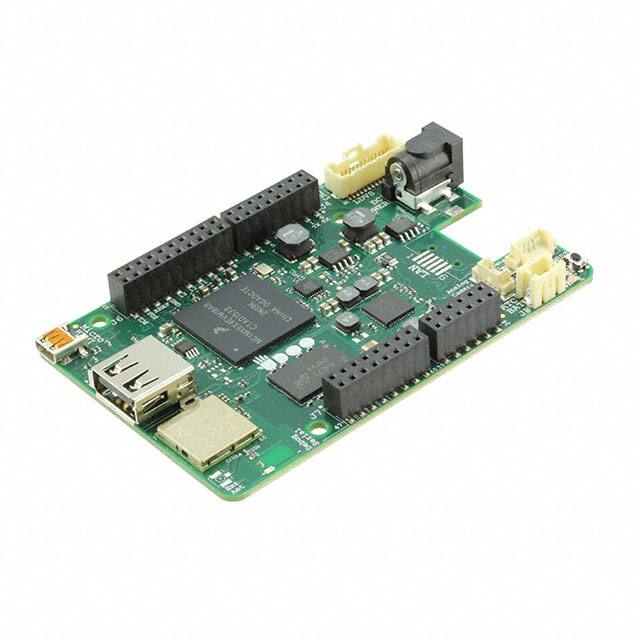
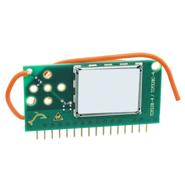
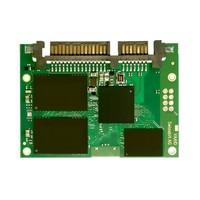
The embedded computer category includes a range of items, including SBCs (Single Board Computers), COMs (Computer On Modules), Interface Boards, and their compatible accessories.
What is the difference between a single-board computer and a microcontroller?
The biggest difference between a single-board computer and a microcontroller is the system composition.
A single board computer is a microcomputer with the entire functional system circuitry (CPU, ROM, RAM, input/output interface circuitry, and other auxiliary circuitry) all assembled on a printed circuit board, and then a printed circuit connects the various functional chips together.
Microcontroller is an integrated circuit chip with CPU, program memory, data memory, input/output interface circuit, timing/counter, interrupt controller, analog/digital converter, digital/analog converter, modem and other components.
What advantages do single-board computers offer?
Single board computers offer a plug-and-play hardware platform with expansion slots for added functionality. Because single board computers are highly integrated with all system interfaces and their design features, customers can focus their development efforts and resources on software and applications with added value. Embedded devices can easily accommodate the full-featured single board computer's compact form factor. Today, single-board computers are a need due to the pervasiveness of computers and the exploding Internet of Things (IOT). Single-board computers also offer the advantages of standard product availability, support for longer product lifecycles, and simplicity of customization for almost all embedded and industrial-grade applications currently being used.

 00852-6915 1330