Phone

    00852-6915 1330
Home > Category > Resistors  (3271723 Items)

Resistors

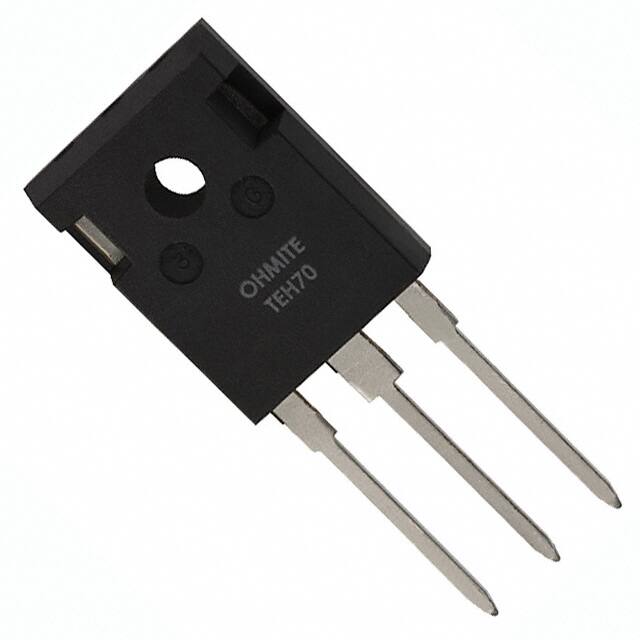
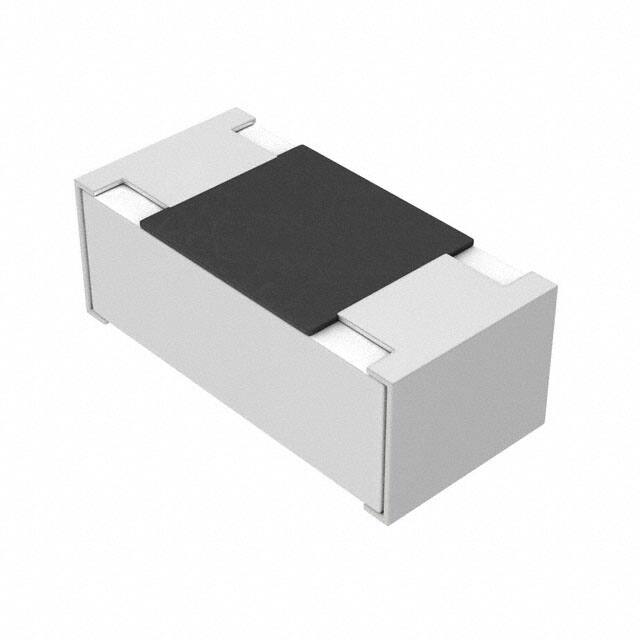
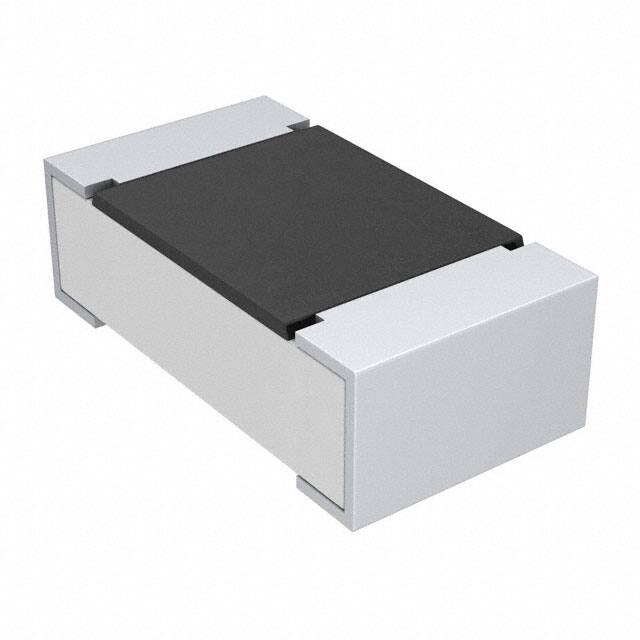
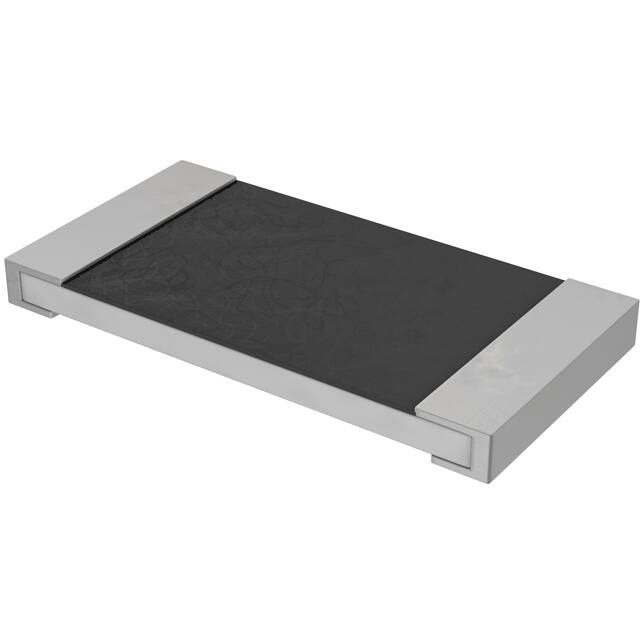
A resistor is a passive two-terminal electrical component used in circuits to implement electrical resistance. Resistors have a variety of uses in electronic circuits, including lowering current flow, adjusting signal levels, dividing voltages, biasing active components, and terminating transmission lines. High-power resistors that can generate many watts of heat instead of electrical energy can be used as test loads for generators, power distribution systems, and motor controls. With temperature, time, or operating voltage changes, fixed resistors' resistances only slightly fluctuate. Variable resistors can be used as force sensors, heat sensors, light sensors, volume controls, lamp Kynix, a professional resistor distributor, stocks a wide range of resistors, including Carbon Composition Resistors, Ceramic Composition Resistors, Chassis Mount Resistors (Planar & Wirewound), Current Sense Resistors (SMD & Through Hole), Film Resistors (Metal Film Resistors - Through Hole, Planar Resistors - Chassis Mount, Thick Film Resistors - SMD, Thick Film Res (Chassis Mount & Through Hole) and so on.

Categories of Resistors

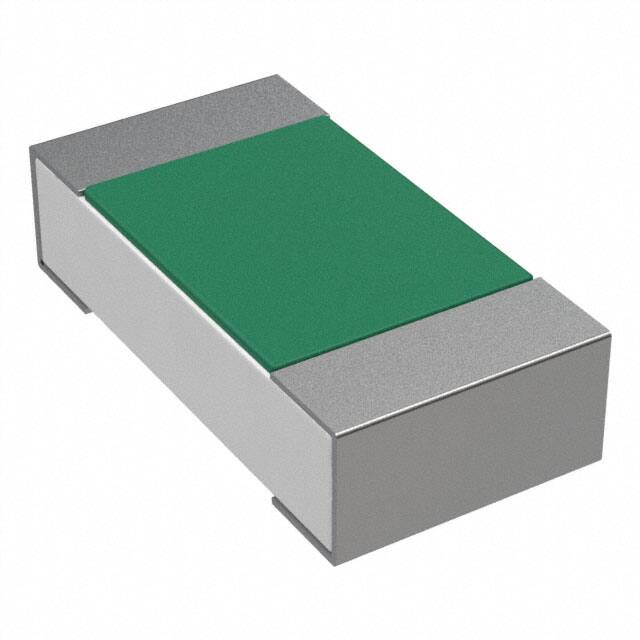
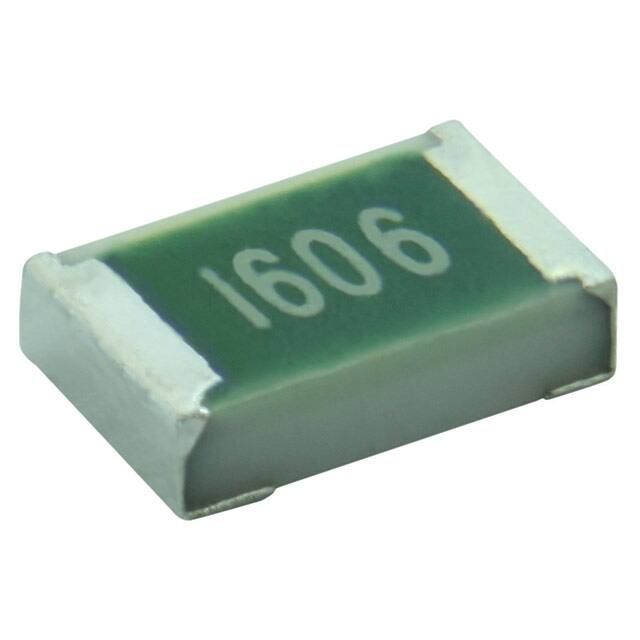
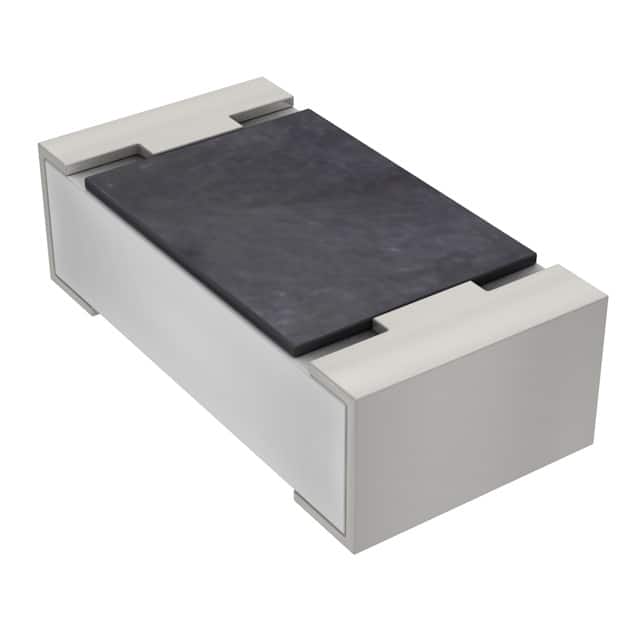
Chip Resistor - Surface Mount 5426 Items
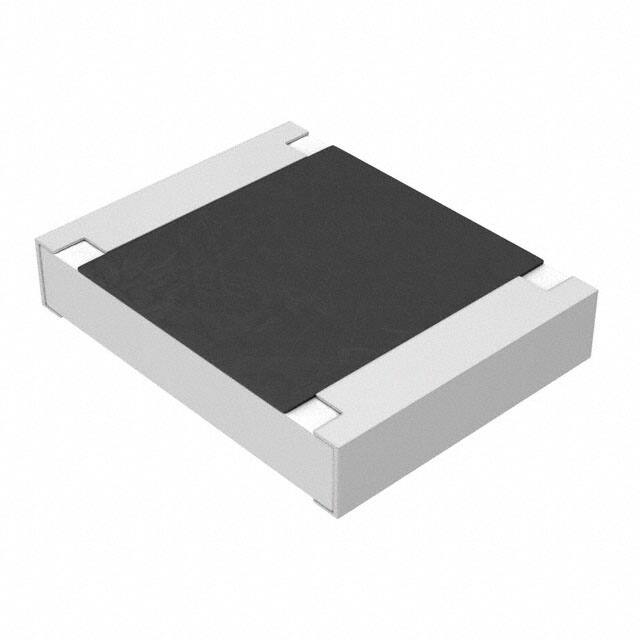
Resistor Networks, Arrays 410 Items
Through Hole Resistors 153 Items
Chassis Mount Resistors 11 Items

Related articles of Resistors

Frequently Asked Questions

What is a resistor used for?

A resistor is an electrical component that controls or restricts how much electrical current can pass across a circuit in an electronic device. A specified voltage can be supplied via resistors to an active device like a transistor.

Where is resistor best used?

Almost all electronic circuits and many electrical ones employ resistors. As their name suggests, resistors obstruct the passage of electricity, and this function is essential to the operation of the majority of circuits.

Is a battery a resistor?

With a little resistor (known as internal resistance) connected in series, a battery can be envisioned as the ideal voltage source. While the amount of voltage made available by the battery is known as terminal voltage, the electric energy density created by the battery's chemistry is known as emf.

Kynix

  • How to purchase

  • Order
  • Search & Inquiry
  • Shipping & Tracking
  • Payment Methods
  • Follow Us

authentication

Kynix

© 2008-2026 kynix.com all rights reserved.